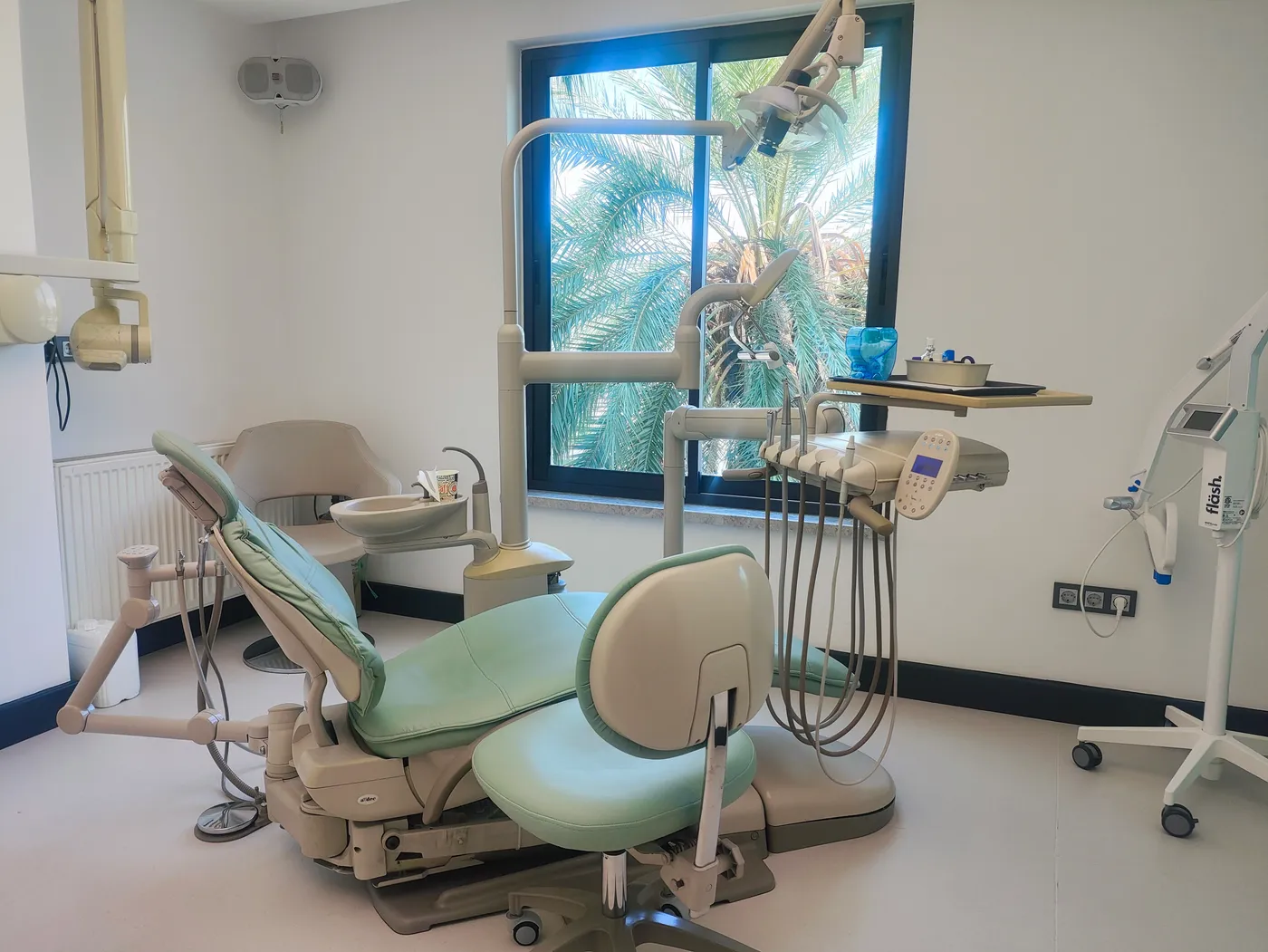
Laser Gum Contouring and Frenectomy
Gum contouring, frenum release and treatment of pigmented gums with a diode laser.
Gum Contouring (Gingivoplasty)
The margin and thickness of the gum are reshaped to form an outline in harmony with the teeth. Removing excess tissue is called gingivectomy and reshaping the form is called gingivoplasty; the two are often carried out together in the same session. Gum margins of neighbouring teeth sitting at different heights, teeth that look short, and too much gum showing on smiling are the main reasons. Where veneers, crowns or bonding are planned, the gum line may need reshaping first, which is why white and pink aesthetics are planned together.
Not Every Gum Appearance Has the Same Cause
There is no single cause for showing too much gum when smiling, and reshaping carried out without establishing the cause may not change the outcome. If the gum has not receded sufficiently from the tooth, gingivoplasty works directly. If the bone beneath the gum sits too close to the tooth, removing soft tissue alone allows it to return to its former position within a short time; these cases require the bone level to be reshaped too, and a diode laser does not work on hard tissue. An upper lip that rises excessively on smiling, or vertical excess of the upper jaw, is not a gum matter at all. This distinction is made by examination and, where needed, radiographs.
Frenectomy: Lip and Tongue Frenum
The frenum is a thin fold of connective tissue attaching the lip or tongue to the tissue covering the jaw bone. When the attachment sits lower than it should, or is thick or tight, function and tissue health can be affected. The main reasons are: an upper lip frenum contributing to the reopening of a gap between the front teeth after orthodontic closure, a tongue tie restricting tongue movement, a tight band pulling the gum margin down with every lip movement, and a high attachment disturbing the seating of a removable denture. A frenectomy releases the band; closing a gap between teeth is achieved orthodontically or restoratively.
Treatment of Pigmented Gums
Gums appearing dark brown or close to black are usually the result of melanin deposition. This is not a disease and does no harm to health; the procedure is entirely a matter of personal preference. Because the diode laser's wavelength is strongly absorbed by melanin, the pigment-containing surface epithelial layer can be selectively removed and lighter epithelium forms during healing. Setting the expectation correctly from the outset matters: as the melanin-producing cells are not entirely eliminated, the colour can partly return over months or years, this varies between individuals, and repigmentation is more likely if smoking continues.
How the Procedure Goes and What Follows
The area is assessed first and periodontal measurements are taken; where necessary the bone level is checked radiographically. If active gum inflammation is present, treatment and cleaning are completed first, as contouring is not carried out on inflamed tissue. The procedure is performed under local anaesthesia; the laser does not replace anaesthesia. Because bleeding remains under control, the working field is clearly visible and the margin can be shaped precisely; as sutures are not needed in most cases, there is no suture-removal appointment. Tenderness may follow for a few days; warm, soft foods are preferred, and brushing is not abandoned but the area is passed over gently with a soft-bristled brush. A whitish covering over the healing area is ordinary and should not be picked at.
Frequently Asked Questions
How many sessions does laser gum contouring take?
In most cases it is completed in a single session; the time depends on the extent of the area being reshaped. Gum health must be suitable beforehand, however: if active inflammation, tartar or bleeding is present, gum treatment and cleaning are completed first, which requires a separate session. Where the bone level also needs reshaping, the procedure is planned surgically and the course differs. In areas where restorations are planned, gum contouring is usually carried out first and the tissue is allowed to settle.
When can I return to daily life after the procedure?
There may be tenderness and mild discomfort in the treated area for a few days; most people return to their usual routine the same or the next day. Warm, soft foods are preferred in the first days; very hot, spicy and acidic foods can irritate the area. Brushing is not abandoned, and the treated area is passed over gently with a soft-bristled brush. As no sutures are placed, no suture-removal appointment is needed. Increasing pain, bleeding that does not stop, marked swelling or fever call for contacting the clinic without delay.
Can gum contouring be carried out for everyone?
No. If active gum inflammation, untreated decay or inadequate oral hygiene is present, these are addressed first. Use of blood thinners, uncontrolled diabetes and conditions that suppress immunity affect planning, so medication and systemic conditions should be shared before the procedure. The thickness of the gum tissue and the bone level are also decisive: where there is insufficient attached gum, removing tissue may create the ground for recession. Suitability is determined by clinical examination and measurements.
Is frenectomy carried out for children?
It can be, but the timing depends on the situation. A tongue tie is assessed where it affects feeding in infants, or the production of certain sounds and oral cleaning later. For the upper lip frenum there is no hurry: a gap between the front teeth can be ordinary during the primary and mixed dentition stages and may close on its own. A lip frenum procedure is therefore usually planned after the permanent teeth have erupted and any orthodontic closure has been completed.
Does a laser gum procedure damage the tissue?
The diode laser's wavelength is absorbed by haemoglobin and melanin in soft tissue, and almost not at all by enamel and bone. When worked at appropriate power and duration, the effect stays confined to the surface layer. A site left without sutures closes by secondary intention, and in some cases this closure can be slower than in a sutured site. Smoking also delays healing. The course of the area is monitored by the dentist during and after the procedure.
The information on this page is for general information purposes and does not replace a clinical examination. The suitability, duration and alternatives of treatment can only be determined by your dentist after clinical and, where required, radiological evaluation.
This treatment is carried out at the clinic in Yeşilbahçe, Muratpaşa, Antalya. Location and directions.