Tooth Sensitivity Treatment
Assessment of sensitivity to hot, cold and sweet stimuli.
Possible Causes of Sensitivity
Exposure of the root surface due to gum recession, enamel wear from aggressive brushing or acidic foods, decay, gaps at filling margins, tooth fractures and clenching habits are among the common causes of sensitivity.
How Is It Assessed?
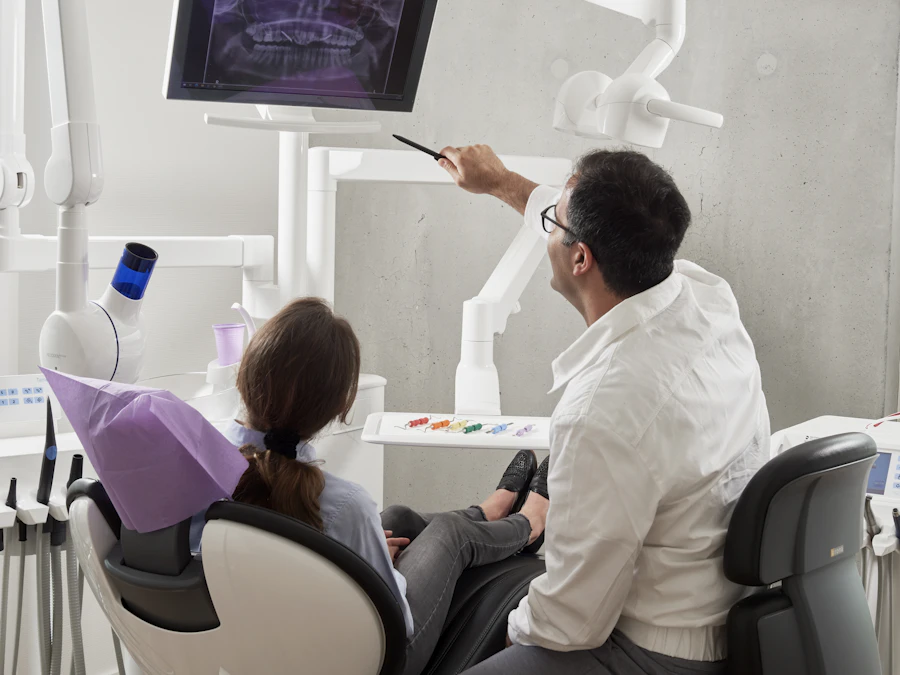
Which stimulus triggers it, how long it lasts and where it is felt are all relevant. In addition to clinical examination, radiological evaluation is performed where necessary. Approaches applied without identifying the cause do not eliminate the source of the problem.
Treatment Options
Depending on the cause, options may include recommendations for desensitising toothpaste, protective varnish applications, restoration of exposed root surfaces, resolution of issues arising from decay or fillings, or a night guard for clenching.
When to See a Dentist
Pain that continues after the stimulus is removed, starts spontaneously or increases at night may indicate a different condition. Prompt consultation is recommended for such complaints.
Frequently Asked Questions
What causes tooth sensitivity?
Sensitivity arises when the dentine beneath is exposed, either because the enamel protecting the tooth is lost or because the gum covering the root surface has receded. Microscopic tubules within the dentine extend towards the nerve; cold, hot, sweet or sour stimuli are perceived as pain through fluid movement in these tubules. Gum recession, cervical wear, acid erosion, cracks and certain post-treatment periods are the most common causes.
Do desensitising toothpastes work?
Pastes containing potassium nitrate act by damping nerve conduction, while those containing stannous fluoride or arginine work by occluding the dentinal tubules. With regular use, a noticeable reduction can be achieved within a few weeks. However, these pastes relieve the symptom rather than remove the cause. If sensitivity concentrates on a single tooth, continues after the stimulus is removed, or starts spontaneously, assessment is required.
What does lingering throbbing after cold mean?
In a healthy tooth, the response to a cold stimulus passes within seconds once the stimulus is removed. If pain lasts longer than thirty seconds, begins spontaneously, or increases at night, it may indicate an inflammatory process in the tooth nerve and calls for a different approach from simple sensitivity. This distinction is made by examination and, where required, radiological evaluation.
Is sensitivity after whitening permanent?
The gel used during whitening can cause a temporary stimulus by way of the dentinal tubules. Sensitivity related to this usually subsides on its own within a few days following the procedure. Products containing fluoride and potassium nitrate may be used during this period to reduce the complaint. If sensitivity lasts longer than expected, it is assessed for pre-existing wear or a crack underneath.
The information on this page is for general information purposes and does not replace a clinical examination. The suitability, duration and alternatives of treatment can only be determined by your dentist after clinical and, where required, radiological evaluation.
This treatment is carried out at the clinic in Yeşilbahçe, Muratpaşa, Antalya. Location and directions.