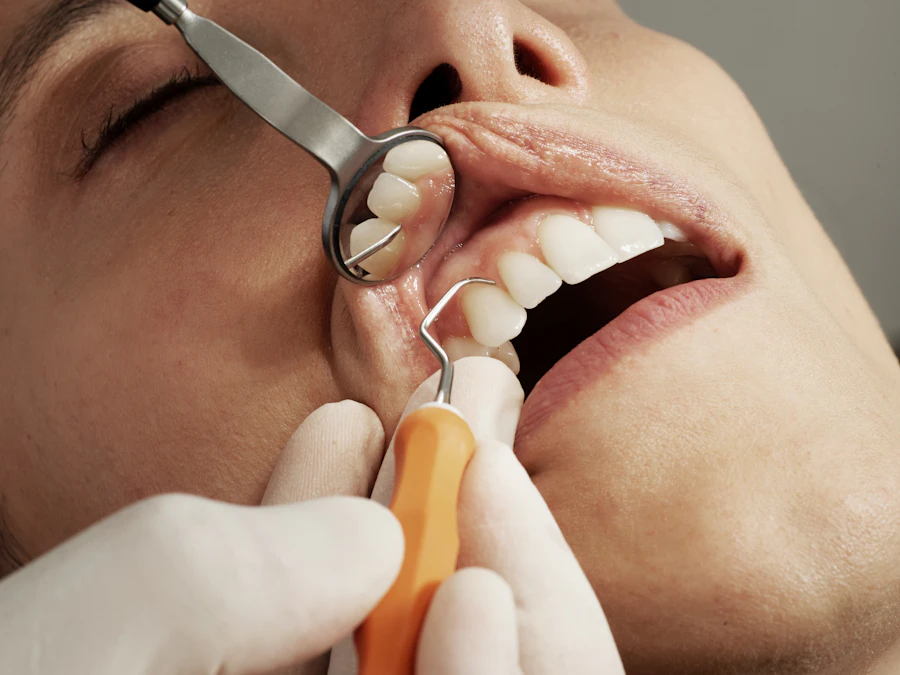
Dental Scaling
Removal of plaque and tartar accumulation from tooth surfaces.
How Does Tartar Form?
Bacterial plaque accumulating on the tooth surface hardens over time with minerals from saliva and turns into tartar. Hardened tartar cannot be removed with a toothbrush and needs to be cleaned in a clinical setting.
What Happens if It Is Not Cleaned?
Tartar accumulating at the gum margin may lead to inflammation of the gums. As the process advances, the supporting tissues surrounding the tooth may become affected. Bleeding gums and bad breath are among the common early findings.
What Happens During the Procedure?
Cleaning is generally carried out with ultrasonic and hand instruments. Polishing of the tooth surfaces afterwards may be applied in order to delay new plaque accumulation. Bleeding may be observed during the procedure where gum inflammation is present.
A Common Misconception
The widespread belief that scaling wears down teeth or creates gaps between them is not correct. What is removed during the procedure is tartar; noticing spaces that were previously filled by tartar can give rise to this perception.
Frequently Asked Questions
Does scaling damage the teeth?
Ultrasonic tips remove calculus by breaking it up with vibration; the target is not the enamel but the hardened deposit sitting on it. Roughness felt afterwards, or the impression that gaps have opened between the teeth, is usually the root surface and the true gum level becoming visible where calculus had previously covered them. The space is not created by the cleaning; it is revealed by it.
Can calculus be removed at home?
Calculus forms when bacterial plaque hardens with minerals from saliva and bonds firmly to the tooth surface. A brush, floss and mouthwash can prevent new plaque from forming, but they cannot dissolve hardened calculus. Vinegar, baking soda or metal-tipped scraper suggestions circulating online can damage the gums and the enamel surface. Removing calculus is a procedure carried out under clinical conditions.
How often should scaling be done?
The appropriate interval varies from person to person. The rate at which calculus forms differs according to saliva composition, oral hygiene habits, smoking, tooth alignment and certain systemic conditions. For this reason, once every six months may be sufficient for one patient while another may need more frequent review. The appropriate interval is determined after gum examination and periodontal measurement.
Is sensitivity after scaling normal?
Once calculus has been removed, the previously covered root surface comes into direct contact with hot and cold, so temporary sensitivity lasting a few days is common. Using a soft brush and starting a desensitising toothpaste during this period reduces the complaint. If the sensitivity does not subside within days, or concentrates on one particular tooth, it should be assessed for a separate underlying cause.
The information on this page is for general information purposes and does not replace a clinical examination. The suitability, duration and alternatives of treatment can only be determined by your dentist after clinical and, where required, radiological evaluation.
This treatment is carried out at the clinic in Yeşilbahçe, Muratpaşa, Antalya. Location and directions.