Dental Implants
Titanium and zirconia implant procedures for missing teeth.
Tooth Loss and Implants
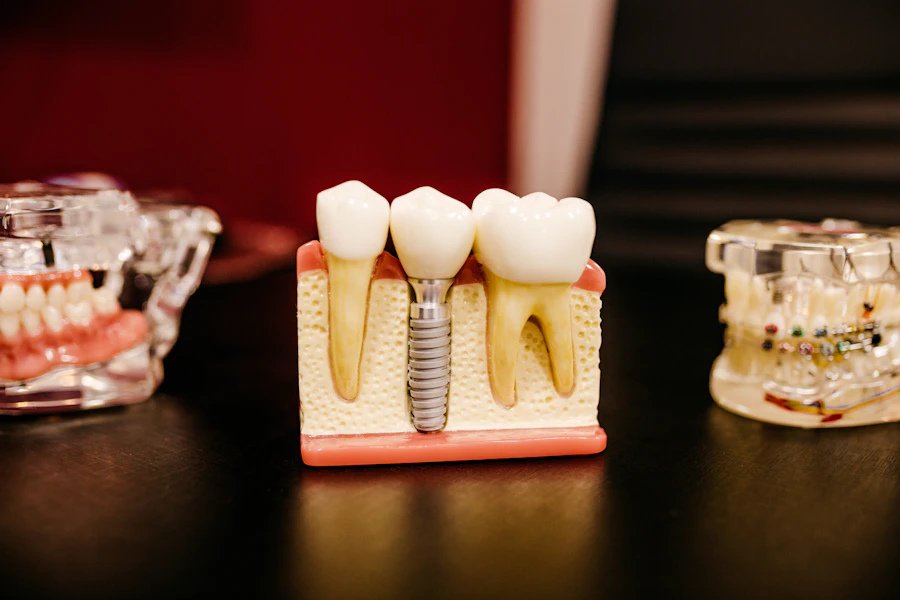
Tooth loss is not only an aesthetic problem; it can also affect chewing and, over time, the jawbone. Implants made of titanium or zirconia are designed to fuse with the jawbone, and the prosthesis placed on them restores chewing function.
Protecting Adjacent Teeth
Traditional bridges require the healthy teeth next to the gap to be reduced. With an implant, a root is placed directly in the gap, so the healthy neighbouring teeth do not need to be cut.
How Does Treatment Proceed?
The procedure is performed under local anaesthesia. Healing time varies with the method used and the person's general health. The clinic uses implant systems approved by the relevant health authorities. Whether treatment is suitable, and how long it takes, can only be determined after clinical examination and radiological assessment.
How Long Does an Implant Last?
No definite period can be given for how long an implant will function in the mouth. Oral hygiene, smoking, gum health, general health conditions such as uncontrolled diabetes, clenching habits and the condition of the prosthesis on top all affect it. Inflammation of the tissues around an implant (peri-implantitis) is one of the main risks and can be noticed early with regular check-ups.
Eating and Care After an Implant
Soft, lukewarm foods are preferred in the first days, with chewing on the side that was not treated; hard, crumbly and very hot foods are not suitable. Avoiding excessive load on the area while the implant fuses with the bone is important. Once the prosthesis is complete, the area around the implant is cleaned like natural teeth, by brushing and with an interdental brush or floss; check-ups at the intervals your dentist recommends allow the tissues around the implant to be monitored.
Frequently Asked Questions
Is implant treatment painful?
The procedure is carried out under local anaesthesia, so pain is not expected during placement; pressure and vibration may be felt. Swelling and discomfort lasting a few days afterwards are usual and are managed with medication taken as your dentist advises. Pain that steadily increases, cannot be controlled with painkillers, or swelling that spreads is outside the expected course and requires assessment.
How long does implant treatment take?
The total time consists of stages rather than a single procedure. A healing period of several months is generally required for the implant to integrate with the jaw bone; this varies with bone density, the site involved and whether additional procedures are needed. Where bone volume is insufficient, preparatory stages such as grafting extend the timeline. A definite duration can only be planned after radiological evaluation.
Can every patient have an implant?
Suitability is determined by the volume and density of the jaw bone, gum health and general medical condition. Uncontrolled diabetes, certain medications, heavy smoking and untreated gum disease are the principal considerations in the assessment. Insufficient bone is not in itself a barrier; there are situations that can be addressed with grafting. The decision is made after examination and radiological evaluation.
What can I eat after implant placement?
Soft, lukewarm foods are preferred in the first days, and chewing on the side away from the procedure is advised. Hard, crumbly and very hot foods should be avoided. Drinking through a straw and spitting are not recommended early on, as they can disturb the clot forming at the site. Smoking adversely affects healing, and pausing during this period is advised.
The information on this page is for general information purposes and does not replace a clinical examination. The suitability, duration and alternatives of treatment can only be determined by your dentist after clinical and, where required, radiological evaluation.
This treatment is carried out at the clinic in Yeşilbahçe, Muratpaşa, Antalya. Location and directions.