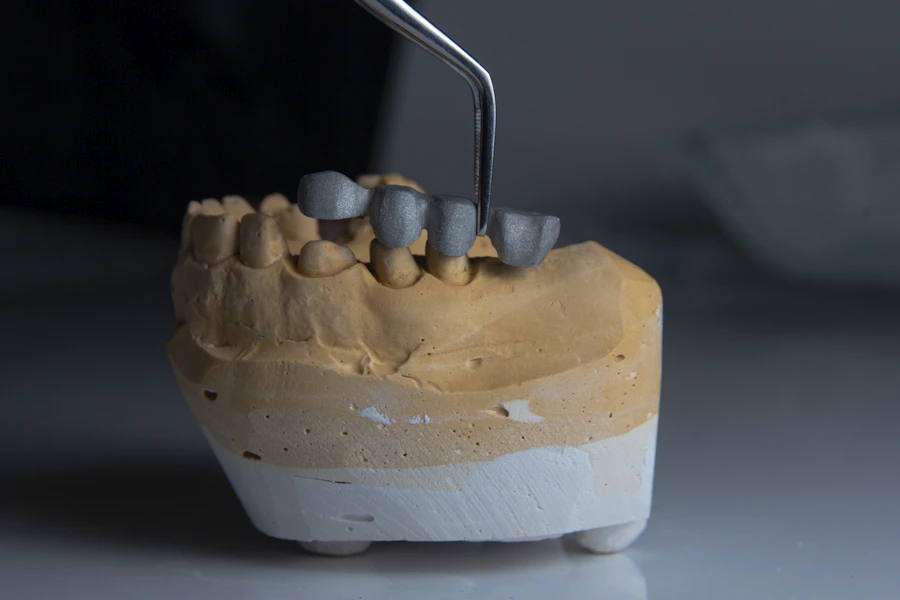
Zirconia Dental Crowns
Full-ceramic crown restorations without a metal substructure.
What Is Zirconia?
Zirconium oxide is a biocompatible ceramic used in dentistry for substructures and full anatomical restorations. As it contains no metal, it transmits light differently from metal-supported crowns and does not create a grey reflection at the gum margin.
The Difference Between Porcelain, Zirconia and E-max
When people say "porcelain teeth" or "capped teeth", they usually mean a whole group of restorations rather than one single material. Technically, porcelain is a feldspathic ceramic, applied over a metal substructure in metal-supported crowns. Zirconia is a ceramic based on zirconium oxide and contains no metal substructure. Glass ceramics (lithium disilicate, commonly known as e-max) transmit more light and are therefore generally considered for single-tooth applications in the anterior region. Which group is suitable depends on the position of the tooth, the chewing load it carries and the amount of remaining tooth structure; this assessment is made by clinical examination and radiological evaluation.
When Is It Considered?
Teeth with structure loss too extensive to be held by large fillings, teeth with increased fragility after root canal treatment, differences in shape and position, and cases where a bridge restoration is planned are the principal situations in which zirconia is considered.
The Treatment Process
The process begins with examination and radiological evaluation. The necessary amount of tooth surface is prepared, an impression is taken and the restoration is produced at the laboratory stage. A temporary restoration may be used in the interim. The number of sessions and the duration vary between individuals.
Care and Check-Ups
How long restorations remain in the mouth depends on oral hygiene, gum health and regular dental check-ups. Maintaining toothbrushing and interdental cleaning habits is recommended.
Frequently Asked Questions
Which is more suitable, porcelain or zirconia?
These two terms are not directly comparable options: "porcelain teeth" is an everyday umbrella term for crowns in general, whereas zirconia is one material within that group. If a comparison is to be made, it is between metal-supported porcelain and metal-free zirconia. Metal-free options do not create a grey reflection at the gum margin; even so, a single option is not suitable in every case. The position of the tooth, the chewing load and the amount of remaining tissue are decisive.
How many years does a crown last?
How long a restoration remains in the mouth cannot be committed to in advance. The principal factors determining this are oral hygiene, gum health, whether a clenching or grinding habit is present, the position of the restoration in the mouth, and whether regular check-ups are maintained. Where a factor such as clenching is not controlled, fracture or debonding may be seen in the restoration whatever its material.
How much is the tooth reduced for a crown?
The amount of reduction varies according to the type of restoration chosen and the current condition of the tooth. Full-coverage applications require the removal of a certain thickness of tissue around the tooth; this is the thickness the restoration needs in order to function without fracturing. Where structure loss is limited, options that remove less tissue, such as inlays, onlays or laminates, may be considered instead of a crown. Which is suitable is determined by examination.
Do zirconia crowns cause gum recession?
Gum recession cannot be attributed to the crown material alone. The fit of the crown margin to the gum, the position of that margin within the mouth, the patient's oral care and the existing condition of the gums are the decisive factors. A restoration with an inadequate marginal fit can facilitate plaque accumulation and thereby set the stage for gum inflammation and, over time, recession. For this reason, regular check-ups and interdental cleaning are important after crown placement.
The information on this page is for general information purposes and does not replace a clinical examination. The suitability, duration and alternatives of treatment can only be determined by your dentist after clinical and, where required, radiological evaluation.
This treatment is carried out at the clinic in Yeşilbahçe, Muratpaşa, Antalya. Location and directions.