When Should a Child's First Dental Visit Be?
Information on the eruption order of primary teeth, the timing of the first examination, bottle caries and approaches that help a child get used to the dentist.
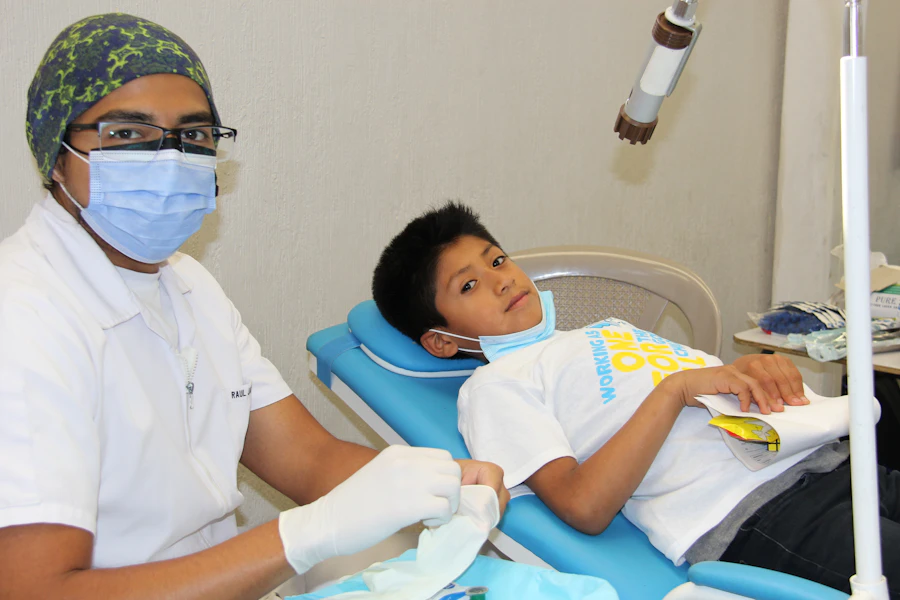
The Right Time for the First Visit
It is generally recommended that a child's first encounter with a dentist takes place in the period following the eruption of the first primary tooth. The purpose of this visit is usually not to carry out treatment; it is to assess the structure of the mouth, inform the family about care, and allow the child to become familiar with the clinical setting through a positive first experience. A first visit made only after pain has appeared can become a difficult experience for the child.
When do primary teeth erupt and fall out?
Primary teeth generally begin to erupt around the sixth month with the lower front incisors, and the set of 20 teeth is usually complete by around three years of age. Shedding begins around the age of six, again in the front region, and continues until adolescence. These timings vary between children and differences of a few months are ordinary. If a marked delay or an unusual eruption pattern is noticed, an assessment is appropriate.
The six-year molar: a permanent tooth often mistaken for a primary one
At around six years of age, a new molar erupts behind the rearmost primary molar. Because it arrives without any primary tooth falling out, it is often thought to be a primary tooth; in fact it is permanent and will not be shed. As the deep grooves on its chewing surface make it susceptible to decay, particular follow-up is recommended during the period it erupts.
Bottle caries
Giving milk or sugary liquids by bottle during night-time sleep can create the ground for rapidly progressing decay in the front teeth. As salivary flow decreases during sleep, the liquid remains on the tooth surface for a long time. Cleaning the mouth with a clean cloth or a suitable brush after night-time feeding helps reduce this risk.
Why should primary teeth be protected?
Beyond chewing and speech, primary teeth hold space for the permanent teeth that follow. The gap left by a primary tooth lost early may be narrowed by neighbouring teeth, reducing the space available for the permanent tooth. It is therefore important not to neglect primary teeth on the assumption that they will fall out anyway.
Preventive applications
Depending on caries risk, fluoride applications and sealing of the deep grooves on the chewing surfaces of molars (fissure sealants) may be considered. The need for and frequency of these applications is determined according to the child's oral hygiene, dietary habits and existing decay status.
Home care and brushing habits
Brushing should become a habit from the moment the first tooth erupts. At young ages the child's own brushing may not be sufficient; it is recommended that a parent checks and completes it afterwards. The frequency of sugary food consumption determines caries risk more than the amount; snacks spread throughout the day are riskier than the same amount consumed at once.
Reducing fear of the dentist
It helps to avoid statements that guarantee an outcome, such as "it won't hurt" or "there will be no injection", not to pass on one's own fearful experiences, and not to present the visit as a punishment. Short introductory visits without treatment make adaptation easier.
This article is for general information purposes and does not replace a clinical examination. Assessment of your child's oral and dental health is carried out through clinical examination.
Frequently Asked Questions
When should the first dental visit take place?
The common recommendation is that the first check-up takes place within six months of the first tooth appearing, or by the first birthday at the latest. The purpose of this visit is not treatment but to assess the development of the mouth, determine the risk of decay and guide the family on feeding and brushing. Early familiarity also reduces the likelihood of dental fear taking hold later.
What happens at the first visit?
The child is usually examined on the parent's lap or beside them. The teeth and gums are checked, any early signs of decay are assessed, and the development of the jaws and teeth is reviewed. No painful procedure is planned. The family is given information on brushing technique, the amount of paste, bottle and dummy habits, and the frequency of sugary foods.
What can be done during teething?
Itching of the gums, irritability, increased drooling and changes in sleep are common in this period. Applying gentle pressure to the gum with a clean finger or soft cloth, or using a teether cooled in the refrigerator, may bring relief. Numbing gels applied to the gum are not recommended in young children. High fever, diarrhoea and rash should not be attributed to teething; a doctor should be consulted.
Do dummies and thumb sucking affect the teeth?
They can. The duration and frequency of the habit are more decisive than its intensity. Where the habit stops before the permanent teeth begin to appear, the changes usually correct themselves. If it continues into later childhood, lasting differences in the position of the front teeth and the width of the upper jaw may be seen. Gradual approaches rather than forceful methods are advised in stopping the habit.