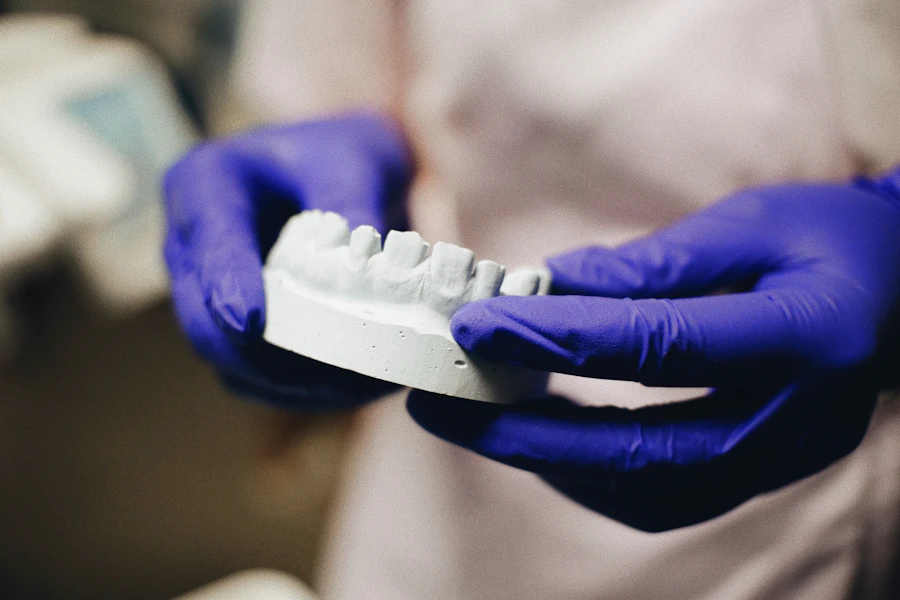
Enlarging Small Teeth with Composite
Building up cone-shaped, small or worn teeth to a harmonious size and shape with composite.
Why Are Some Teeth Small?
Tooth size is largely set during development. The most common situation is upper lateral incisors that develop smaller than normal or with a pointed, cone shape; these are known as peg laterals and can occur on one or both sides. Microdontia, in which all teeth are generally small, is rarer.
A canine that has drifted into the place of a missing tooth, or a retained baby tooth that looks smaller than its neighbours, creates a similar appearance.
What Is Enlargement with Composite?
Enlargement with composite (composite build-up) means adding tooth-coloured composite to the surfaces of a small tooth to give it a width, length and shape that matches its neighbours. Because the material is bonded directly to sound enamel, in suitable cases the tooth is not drilled and anaesthesia is not needed.
In cone-shaped teeth, the side surfaces and the biting edge are built together to create a natural incisor form. Symmetry between the right and left teeth is also considered for the balance of the smile.
Planning Together with Orthodontics
Small teeth often leave gaps around them. If the gaps are unevenly distributed, bonding straight away can leave one tooth too wide and another too narrow. In that case orthodontic treatment first positions the teeth so that the right amount of space is left around the tooth to be enlarged; the tooth is then built up to its ideal size with composite.
This sequence is planned together with the orthodontist. Enlargement carried out during or just after orthodontic treatment allows the teeth to enter the retention phase with the correct form.
Restoring Worn and Shortened Teeth
Teeth whose biting edges have worn down from clenching, grinding or an acidic diet can also have their length rebuilt with composite. In these cases the cause of wear matters: composite added without controlling the force will meet the same force.
For people with signs of clenching, a night guard is therefore added to the plan and the bite is assessed in detail. Where wear is widespread and advanced, the plan may need to go beyond bonding to crowns or more comprehensive treatment.
The Treatment Process
At the examination the size of the tooth, its relationship with neighbouring and opposing teeth, and the smile line are assessed. Where the change is substantial, the planned form can first be tried in the mouth with a temporary material.
On the day of treatment the shade is selected, the working area is isolated from moisture, the enamel surface is prepared, and composite is added in layers and shaped. Finally surface texture is given, the tooth is polished and the bite contacts are checked. Enlarging a single tooth is usually completed in one session.
Aftercare
An enlarged tooth needs the same care as other bonding: not biting hard objects with the front teeth, cleaning between the teeth regularly and having the surface polished at check-ups. Keeping the junction between composite and natural tooth free of plaque matters for both gum health and staining. Small chips at the edge can be repaired in the mouth.
Frequently Asked Questions
Can peg laterals be brought to a normal size?
In most cases, yes. The side surfaces and biting edge of a cone-shaped lateral incisor can be built with composite to a form that matches the neighbouring teeth. The size that can be achieved depends on the space around the tooth; if the space is insufficient or uneven, orthodontic preparation may be needed first.
Is the tooth drilled to enlarge a small tooth?
Usually not. Composite is added to the existing surface of the tooth; sound enamel is preserved and anaesthesia is usually not needed. If the tooth has an old filling, decay or an ill-fitting projection on its surface, limited preparation may be needed.
Can a small tooth be enlarged during braces treatment?
It depends on the plan. In some cases enlargement is done midway through orthodontic treatment, and the final alignment is completed once the tooth has reached its correct size. In others it is done after orthodontics has finished and the space around the teeth is clear. This decision is made together with the orthodontist.
Can worn front teeth be lengthened with composite?
In suitable cases, yes. However, if the wear is caused by clenching or grinding, that force will also act on the newly added composite. The bite is therefore assessed and a night guard is planned where needed. If wear is widespread and advanced, more comprehensive options such as crowns may be considered.
Can bonding be done on a retained baby tooth in an adult?
If a retained baby tooth has adequate root and is not loose, it can be shaped with composite to match the neighbouring permanent teeth. Because the roots of baby teeth can continue to resorb over time, the tooth is assessed with an X-ray and monitored regularly.
The information on this page is for general information purposes and does not replace a clinical examination. The suitability, duration and alternatives of treatment can only be determined by your dentist after clinical and, where required, radiological evaluation.
This treatment is carried out at the clinic in Yeşilbahçe, Muratpaşa, Antalya. Location and directions.