What to Watch for After Root Canal Treatment
Expected findings after root canal treatment, dietary advice, why the tooth is protected with a crown, and which situations require prompt assessment.
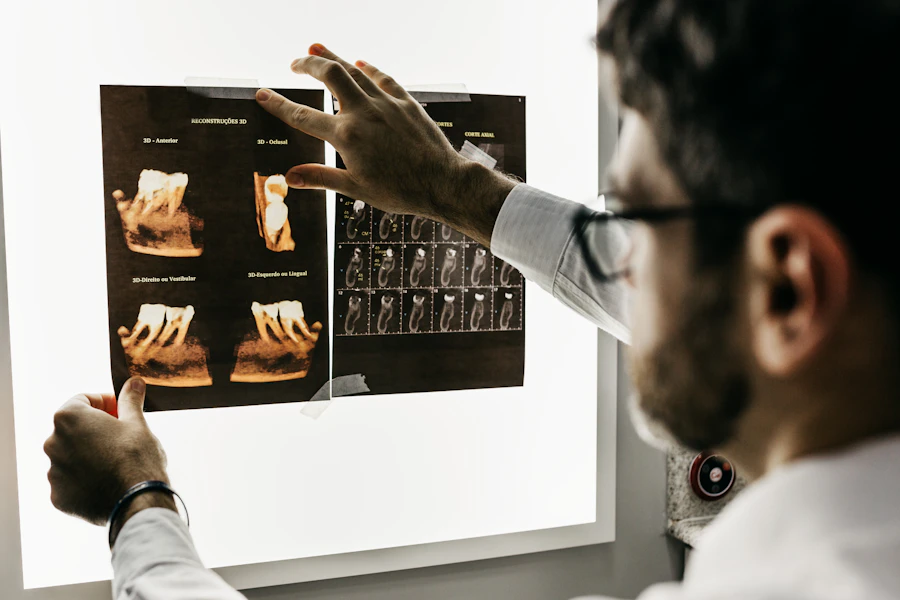
What to Expect After Root Canal Treatment
Root canal treatment is the removal of inflamed or non-vital pulp tissue from inside the tooth and the filling of the canal space. Some of what is felt in the first days afterwards is ordinary, while some requires assessment. Distinguishing between the two matters.
Findings considered ordinary in the first days
Mild tenderness on biting, a feeling of fullness in the tooth and short-lived discomfort in the surrounding tissues may occur. This is because the tissues around the root tip were stimulated during the procedure. These findings usually decrease gradually within a few days. Taking the medication your dentist has recommended as directed supports this process.
Until the anaesthesia wears off
Chewing should be avoided while numbness persists; unknowingly biting the lip, cheek or tongue is a common problem and requires particular care in children. Hot drinks should also be avoided until sensation returns.
Why avoid chewing on the treated tooth?
A root-treated tooth loses its blood and nerve supply and becomes more brittle over time. Tooth structure is also removed during the procedure, reducing its resistance. Until the definitive restoration is completed, it is recommended not to chew hard or sticky foods in that area.
The difference between a temporary filling and the definitive restoration
The temporary filling used between sessions is placed to isolate the canal space from the oral environment; it is not designed to last a long time. If it fractures or falls out, bacteria can reach the canal system and the treatment may need to be repeated. For this reason, a lost temporary filling should be reported without delay.
Why is a crown recommended?
Chewing forces are high, particularly on posterior teeth. Covering the tooth with a crown is frequently recommended in order to protect the integrity of a tooth whose brittleness has increased after root canal treatment. This is not an aesthetic preference but an approach aimed at the long-term protection of the tooth. Where structure loss is limited in anterior teeth, different restorative options may be considered.
When should you seek prompt attention?
- Progressively increasing pain not controlled by painkillers
- Swelling of the gum or face
- General findings such as fever or malaise
- A marked sense of the tooth being "high" when biting
- Fracture or loss of the temporary filling
Long-term follow-up
Healing of a root-treated tooth is monitored radiographically. It is therefore important to attend the review appointments your dentist recommends even if you have no complaints; healing at the root tip often progresses without any sensation of pain.
This article is for general information purposes and does not replace a clinical examination. The healing process and the type of restoration required vary between individuals; the assessment is made by your dentist.
Frequently Asked Questions
What can I eat after root canal treatment?
Soft, lukewarm foods are preferred in the first days: yoghurt, soup, purée, well-cooked vegetables and omelette are suitable. Chewing on the untreated side is advised. Hard-shelled foods, ice and sticky foods such as toffee are not appropriate until the permanent restoration is complete, as these can dislodge the temporary filling. Very hot and very cold foods may also cause discomfort in the first days.
How long after root canal treatment can I eat?
The time to wait before eating depends on the anaesthetic wearing off, which generally takes two to four hours and varies with the agent used and the individual. Chewing should not be attempted while numbness persists, because unknowingly biting the lip, cheek or tongue is a common problem. Once sensation has fully returned, eating can begin with soft foods.
Can I drink water after root canal treatment?
There is no need to wait before drinking water; the temporary filling does not dissolve in water. Hot drinks should be avoided while the anaesthetic is still working, however, since temperature cannot be sensed in the numb area and a burn may result. Once sensation returns, hot and cold drinks can be consumed; in the first days, very hot or very cold ones may increase temporary sensitivity.
Can I smoke after root canal treatment?
Smoking is known to affect the healing of oral tissues adversely, and stopping — or at least pausing during the first days — is advised in the period following root canal treatment. Smoke and heat additionally irritate tissues that have become sensitive after the procedure. Smoking is also among the factors that affect long-term treatment success by way of oral hygiene and gum health.