How Does Tooth Decay Form and How Is It Prevented?
Decay does not form all at once. The triangle of bacteria, sugar and time, the stages of decay, and ways to reduce risk through daily habits.
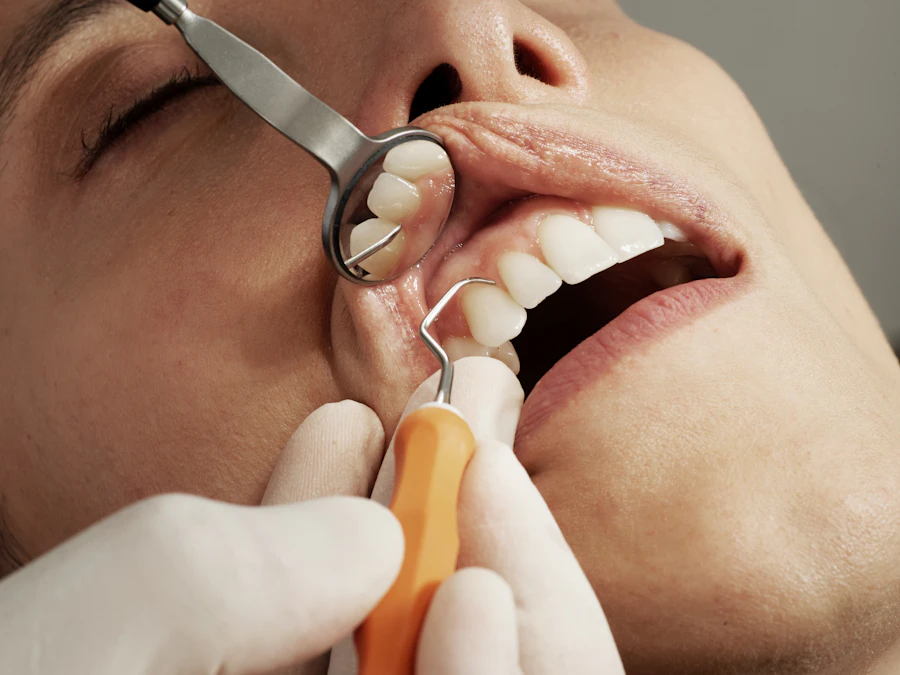
How Does Tooth Decay Form?
Decay is not damage that appears all at once; it is a process that progresses over time. Three factors must be present together for it to form: bacterial plaque, fermentable carbohydrate (sugars and starches) and time. When one of these three is brought under control, the process slows.
Acid attack and the mineral balance
Bacteria in the mouth produce acid as they break down sugars. This acid dissolves minerals in the enamel, which is called demineralisation. Saliva dilutes and neutralises the acid and carries minerals back to the surface (remineralisation). In a healthy mouth these two processes are in balance. As sugar consumption becomes more frequent, the balance shifts towards dissolution and decay begins.
Frequency, not amount, is decisive
This is the most commonly misunderstood point. A slice of dessert eaten within a meal is less risky than sugary snacks spread throughout the day. Each sugar contact starts a period of roughly half an hour during which the oral pH falls and then rises again. A sugary drink sipped throughout the day leaves the mouth continuously acidic.
The stages of decay
- Initial (white spot): A chalky appearance on the enamel surface. There is no cavity yet at this stage and it may be possible to arrest it with fluoride support.
- Enamel caries: Loss of structure begins at the surface. It usually causes no pain.
- Dentine caries: Reaches the dentine beneath the enamel. Sensitivity to sweet, cold and hot may appear. A restoration is required.
- Reaching the pulp: The blood and nerve tissue is affected. Spontaneous pain that increases at night may occur, and root canal treatment comes into question.
If there is no pain, is there no decay?
No. The first two stages of decay are usually painless. By the time pain appears, the process has often advanced. Regular check-ups therefore allow decay that has not yet produced symptoms to be caught early, when the solution is both simpler and involves less tissue loss.
Ways to reduce the risk
- Brushing twice a day with a fluoride toothpaste
- Cleaning between the teeth once a day with floss or interdental brushes
- Reducing the frequency of sugary food and drink and limiting it to mealtimes
- Choosing water between main meals
- Considering fissure sealants for deep grooves on chewing surfaces
- Regular dental check-ups and scaling
Is brushing alone enough?
A toothbrush cannot reach the surfaces where teeth face each other. A significant proportion of decay begins precisely at these interproximal surfaces. Interdental cleaning is therefore a complement to brushing, not an alternative to it.
This article is for general information purposes and does not replace a clinical examination. Your caries risk and the preventive approach suitable for you are determined by clinical examination.
Frequently Asked Questions
How do I know decay has started?
In the early stage decay usually gives no symptoms, which is why regular check-ups matter. As it progresses, short-lived sensitivity to sweet, cold or hot, a chalky white spot or brown discolouration on the tooth surface, increased food packing between the teeth and a rough feeling may be noticed. The onset of pain generally indicates that decay has reached the dentine; decay between the teeth can only be seen on a radiograph.
Can early decay stop on its own?
In early lesions confined to the enamel surface, where no cavity has yet formed, the process can be halted. At this stage the enamel can remineralise with fluoride applications, interdental cleaning and reducing the frequency of sugar intake. Once surface integrity is lost and a cavity has formed, however, there is no reversal; a restoration is needed from that point. Examination and, where necessary, a radiograph determine which stage it is at.
Is tooth decay contagious?
The decay itself is not transmitted, but the bacteria that cause it can be passed on through saliva. For this reason habits such as tasting food from an infant's spoon or cleaning a dummy by licking it are not advised. The presence of the bacteria alone does not create decay; the frequency of sugar intake, the properties of saliva, fluoride exposure and oral hygiene are also decisive.
Is the amount of sugar or the frequency more important?
What matters is not the total amount consumed but how many times a day it is consumed. After each sugary intake the oral environment stays acidic for a while and the enamel loses mineral during this period; it takes time for saliva to restore the balance. Snacking in small amounts throughout the day carries more risk than consuming the same quantity at one sitting.