Oral and Dental Health During Pregnancy
Why gum bleeding increases during pregnancy, in which period treatment can be carried out, and what to consider regarding X-rays and anaesthesia.
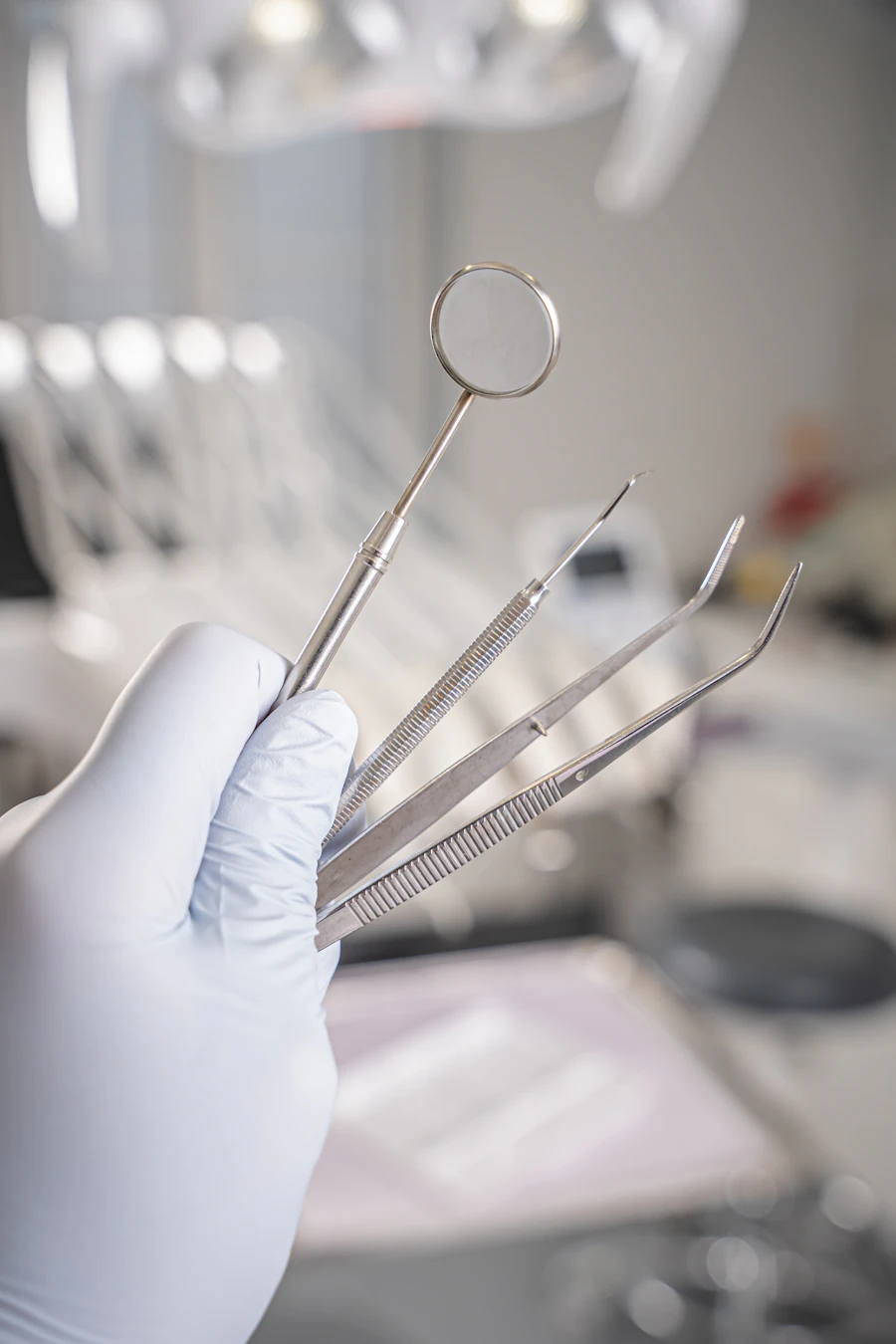
In Short: Can You Have Dental Treatment During Pregnancy?
Yes. Examinations, scaling, fillings and, when necessary, root canal treatment or extractions can be done during pregnancy. For procedures that can wait, the second trimester (months 4–6) is generally considered the most suitable time; emergencies such as pain, swelling or infection are not postponed at any stage of pregnancy. X-rays and local anaesthesia can be used with appropriate precautions when considered necessary. It is important to tell your dentist that you are pregnant and how many weeks.
Why Does Oral Health Matter During Pregnancy?
Hormonal changes during pregnancy markedly increase the gum tissue's response to bacterial plaque. Redness, swelling and bleeding of the gums may therefore be seen even in people who had no previous problems. This is called pregnancy gingivitis and usually becomes noticeable in the second trimester.
Hormones heighten the response to plaque
An important detail: hormones alone are not the cause of gum problems in pregnancy. Hormonal change increases the tissue's reaction to existing bacterial plaque. In other words, the severity decreases markedly when plaque control is maintained. Oral care should become more regular during this period rather than being relaxed.
Nausea, vomiting and enamel
Where vomiting is frequent, stomach acid reaches the tooth surface and can cause enamel erosion. Brushing immediately after vomiting may increase the wear of the softened enamel surface. Rinsing the mouth with water or bicarbonate solution and leaving brushing until later is recommended instead.
The suitable period for treatment
Routine examination and scaling can be carried out at any stage of pregnancy. For procedures that can be postponed, the second trimester is generally considered more suitable: organ development continues in the first trimester, while lying supine for long periods can be uncomfortable in the third. However emergencies are not postponed; an untreated infection may carry more risk than the procedure itself.
X-rays and anaesthesia
The radiation dose in dental radiographs is low and the beam is limited to the jaw region; a lead apron and thyroid collar are used. Even so, imaging is postponed unless considered necessary. A similar approach applies to local anaesthesia: the agent and dose are selected taking the pregnancy into account. You should therefore always inform your dentist of your pregnancy and its week, along with any medication you use.
A common misconception
Statements such as "a tooth is lost with every pregnancy" or "the baby draws calcium from the mother's teeth" are not correct. Calcium in tooth enamel is not a reserve that can be returned to the circulation. Tooth loss in pregnancy results from neglected gum disease and decay, which are preventable.
After birth and the baby
Bacteria that cause decay can pass from mother to baby through shared spoons or by putting a dummy in the mouth. Good maternal oral health also affects the caries risk the baby will face later.
When Should You Seek Care Without Delay During Pregnancy?
- Severe toothache or toothache that wakes you at night
- Swelling of the face, under the jaw or in the gums; especially important if accompanied by fever
- A rapidly growing red lump on the gum that bleeds easily (this growth, which can occur in pregnancy, should be assessed at an examination)
- Gum bleeding that happens on its own without brushing or does not stop
- A tooth broken or loosened after a blow
Other causes of gum bleeding are explained in the article on bleeding gums.
This article is for general information purposes and does not replace a clinical examination. Any procedure during pregnancy is evaluated together with your dentist and the physician following your pregnancy.
Frequently Asked Questions
Can dental treatment be carried out during pregnancy?
It can. For non-urgent procedures the second trimester is generally preferred; nausea has usually settled by then, while the discomfort of lying flat for long periods has not yet become marked. However, treatment is not postponed where there is pain, an abscess or infection; an untreated infection carries greater risk for the mother and the pregnancy. Planning is done with the knowledge of your dentist and the obstetrician providing care.
Can dental X-rays be taken during pregnancy?
They can be taken where indicated, using a lead apron and thyroid collar. In dental radiography the beam is focused on a narrow area, and the dose is lower still with digital systems. Imaging that is not essential is nevertheless deferred until after the pregnancy. The decision is made according to whether it would change the treatment decision.
Why does gum bleeding increase during pregnancy?
Hormonal changes heighten the inflammatory response of the gum tissue to bacterial plaque; the same amount of plaque can cause more marked redness, swelling and bleeding than before pregnancy. This picture is called pregnancy gingivitis. Its severity decreases when plaque control is maintained; reducing brushing because of the bleeding makes it worse.
Do nausea and vomiting harm the teeth?
Frequent vomiting brings stomach acid into contact with the tooth surface and can cause erosion of the enamel. Brushing immediately after vomiting increases loss of substance from the softened enamel surface. Instead, rinsing the mouth with water, or water with a pinch of bicarbonate, and delaying brushing by about half an hour is advised.