Eating After Dental Implant Surgery: What to Eat and Avoid
What can be eaten in the first hours, the first days and while the implant fuses with the bone, which foods to avoid and when to contact your dentist.
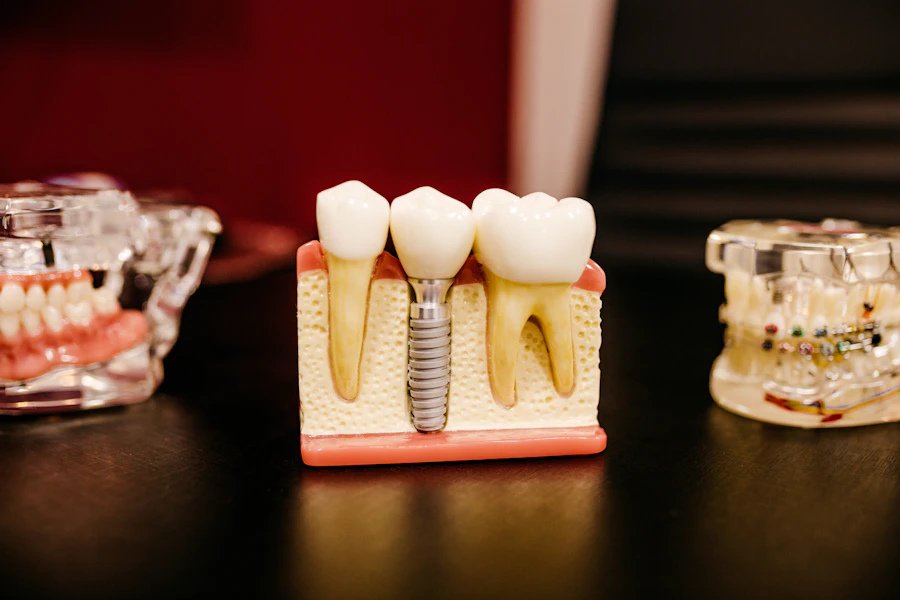
What Can You Eat After a Dental Implant?
In short: nothing is eaten until the anaesthesia wears off on the first day; for the first few days, lukewarm or cool soft foods that need no chewing (yoghurt, soup, purées, eggs) are preferred. Hard and crunchy, sticky, very hot, spicy foods, alcohol and smoking are avoided. You return to a normal diet gradually as tenderness eases, while hard biting force on the implant area is avoided until it has fused with the bone.
Why Does Diet Matter After an Implant?
After an implant is placed, the jawbone fuses with the implant surface; this process is called osseointegration and usually takes a few months. During this period, keeping excessive force off the implant and avoiding irritation of the surgical site support healing. That is why what you eat and how you chew matter, especially in the first days. The recommendations below are a general framework; the instructions your dentist gives you personally always take priority.
The First Hours: Until the Anaesthesia Wears Off
- Do not eat until the numbness has fully worn off; a numb lip, tongue or cheek can be bitten without noticing.
- Water and room-temperature or cool drinks can be taken during this time.
- Avoid hot drinks and hot food on the first day; heat can increase bleeding.
- Strong sucking through a straw is best avoided on the first day; this matters most when a tooth was extracted or a bone graft placed in the same session.
Days 1–3: What Can You Eat?
During this period, soft, lukewarm or cool foods that need no chewing should be preferred:
- Yoghurt, ayran, kefir, milk puddings (cold or lukewarm)
- Lukewarm soups (strained lentil, vegetable soup; not too hot)
- Mashed potato, courgette or carrot
- Soft omelette, curd cheese and cream cheese
- Banana, ripe avocado, fruit purées
- Well-cooked, mashed pasta and rice porridge
Chew on the side of the mouth without the implant. Drinking enough fluids and including protein-rich foods (yoghurt, eggs, dairy) supports healing.
What Not to Eat After a Dental Implant
- Hard and crunchy foods: Nuts, crisps, crackers, toast crusts, ice
- Sticky foods: Caramel, Turkish delight, chewing gum
- Small-grained and seeded foods: Sesame, poppy seeds, sunflower seeds, seeded fruit such as strawberries and kiwi; they can lodge in the wound
- Hot and spicy dishes: Can irritate the surgical site
- Very hot food and drinks: Especially in the first 24–48 hours
- Acidic drinks: Can irritate the wound in the first days
- Alcohol: Can impair healing and interact with medication
Smoking is not a food, but it is the most important item on this list: it reduces blood flow, delays healing and can impair the fusion of the implant with the bone. Stopping for as long as possible before and after the procedure is advised.
The First Week and Beyond
A soft diet continues until the stitches are removed and tenderness eases (usually 7–10 days). After that, you can gradually move on to foods needing light chewing, such as tender meat, fish, boiled vegetables and rice. During this transition it is important to avoid biting directly on the implant area.
While the implant fuses with the bone
While the implant is fusing with the bone (usually a few months), hard biting force should not be applied to the implant area. If a temporary prosthesis is worn during this period, hard foods should not be bitten with it. In cases of same-day loading and full-arch treatments such as All-on-4, a soft diet is usually advised for a longer initial period; the details are decided by the dentist.
After the permanent restoration is fitted
Once the permanent tooth is fitted, most foods can be eaten again. Still, biting very hard objects (ice, olive stones, nut shells) can damage both the implant-supported tooth and natural teeth. If there is a night-time clenching habit, a protective night guard is considered.
Oral Care Alongside Diet
Rinsing after meals as your dentist advises prevents food debris collecting at the surgical site. The area is not brushed on the first day; on the following days it is cleaned with a soft brush without pressing on it. In the long term, regular cleaning around the implant and check-ups are important for preventing inflammation around the implant (peri-implantitis). General care information is on the dental implant page.
When Should You Contact Your Dentist?
- Bleeding that does not stop despite pressing with gauze
- Pain or swelling that increases rather than decreases after the third day
- Fever, a bad taste or discharge from the area
- Stitches opening early or a part on the implant coming loose
- Numbness lasting longer than expected
Is the Advice the Same for Everyone?
No. After a single implant placed without stitches, restrictions are usually shorter; when a tooth is extracted, a bone graft or sinus lift is performed in the same session, or several implants are placed, the soft-diet period may be longer. With health conditions that affect healing, such as diabetes, the dentist may recommend additional precautions. The timeframes here are a general guide; there is also no need to follow an overly restrictive diet for longer than necessary, and getting enough protein and fluids matters for healing.
This article is for general information and does not replace an examination by a dentist. Diet and care instructions after the procedure are set by the dentist according to the type of procedure and the person's health.
Frequently Asked Questions
When can I eat after a dental implant?
You can eat once the anaesthesia has completely worn off; this usually takes a few hours. Eating while still numb can lead to biting the lip, tongue or cheek without noticing. On the first day, lukewarm or cool soft foods that need no chewing are preferred.
Can I drink hot tea or coffee after an implant?
Avoiding hot drinks on the first day is advised; heat can increase bleeding. Lukewarm drinks can be started in the following days. When coffee and tea can be drunk is advised by the dentist according to the extent of the procedure.
When can I return to a normal diet after an implant?
A soft diet usually continues until the stitches are removed and tenderness eases, about 7–10 days; after that you move gradually to a normal diet. Hard biting force on the implant area is avoided until the implant has fused with the bone, usually a few months. Timeframes vary with the extent of the procedure.