Zirconia or E-max? Which Crown is Better?
The technical differences between zirconia and e-max crowns, what guides the choice of material and what affects how long restorations last.
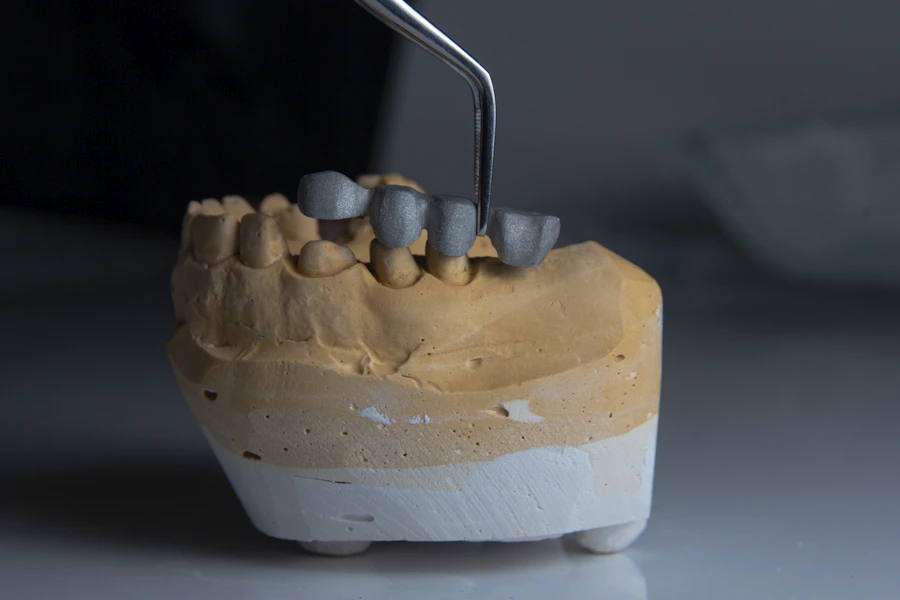
In Short: Zirconia or E-max?
There is no single "better" option for everyone; the suitable material is chosen according to the position of the tooth and the need. E-max (lithium disilicate), which lets more light through, is often preferred for front teeth and single crowns where appearance is the priority. Zirconia, which is stronger, is more often considered for back teeth under heavy chewing forces, for bridges and for people who clench or grind. Today, more translucent zirconia types can also be used on front teeth.
Technical Differences Between Zirconia and E-max
The two most commonly used material groups in all-ceramic restorations are zirconium oxide and lithium disilicate (e-max) based ceramics. Neither contains a metal substructure, but their physical properties differ.
Lithium Disilicate (E-max) Ceramics
Their light transmittance is close to that of natural enamel, which makes it easier to achieve a natural appearance in terms of light diffusion within the tooth. Their flexural strength is lower than that of zirconia. They are generally considered for single-tooth restorations and for the anterior region where aesthetic expectations are high.
Zirconium Oxide Ceramics
These have high flexural strength and are suitable for regions where chewing forces are concentrated. They may be preferred for multi-unit bridge restorations. Advances in production technology have also produced zirconia types with increased translucency.
How Is the Material Chosen?
The choice depends on the position of the tooth in the mouth, the amount of remaining tooth structure, the occlusal relationship with opposing teeth, the presence of clenching or grinding habits, and the individual's aesthetic expectations. This assessment is made through clinical examination and, where necessary, radiological evaluation.
What Affects the Longevity of Restorations?
Regardless of the material, how long restorations remain in the mouth depends on oral hygiene, regular dental check-ups, gum health and chewing habits.
When Should You See a Dentist After a Crown?
- The crown becoming loose, shifting or coming off
- A crack, fracture or noticeable rough edge on the crown
- Pain on biting, or the crown feeling "high"
- Sensitivity to hot and cold lasting more than a few weeks, or pain that starts on its own
- Bleeding, swelling or a bad smell from the gum around the crowned tooth
If a crown comes off, it should be kept and brought to the appointment; do not try to fix it back in place with glue at home. For people who clench, a night guard can be considered to protect the crowns. General information on the materials is on the zirconia crowns and veneers pages.
This article is for general information purposes. Which material is suitable for you can only be determined after a clinical examination.
Frequently Asked Questions
Which is preferred for a front tooth?
In the anterior region, light transmission is the main factor determining appearance. Glass ceramics (e-max) transmit light in a way close to a natural tooth and are therefore often considered for single-tooth restorations. The translucency of zirconia varies with the type of material; high-translucency zirconia options also exist. The choice is made according to the appearance of the neighbouring teeth and the colour of the remaining tooth tissue.
Which is more suitable for a back tooth?
Chewing forces are high in the posterior region and appearance is secondary. Zirconia is often preferred because it is more resistant to fracture under these conditions. Glass ceramic may be considered where adequate thickness can be provided and the forces are under control. If a clenching habit is present, this choice is reviewed separately.
Which is used for a bridge?
In a bridge the pontic spans unsupported between two abutments and is subject to bending forces. A zirconia framework is therefore generally preferred for bridges. Glass ceramics are considered for single-tooth restorations and limited spans. The length of the span and the condition of the abutment teeth are decisive.
Which causes less damage to the tooth?
What is decisive is not the material but the amount of reduction required by the type of restoration chosen. Full coverage can be made from either material, and in that case a similar amount of tissue is removed from around the tooth. Where loss of structure is limited, inlay, onlay or laminate options that remove less tissue come into question instead of a crown. The real question is therefore extent, not material.