Nutrition After Teeth Whitening: Foods to Avoid
How long and which foods to avoid after in-office and at-home whitening; foods you can have without concern, toothpaste choice during whitening and who whitening is suitable for.
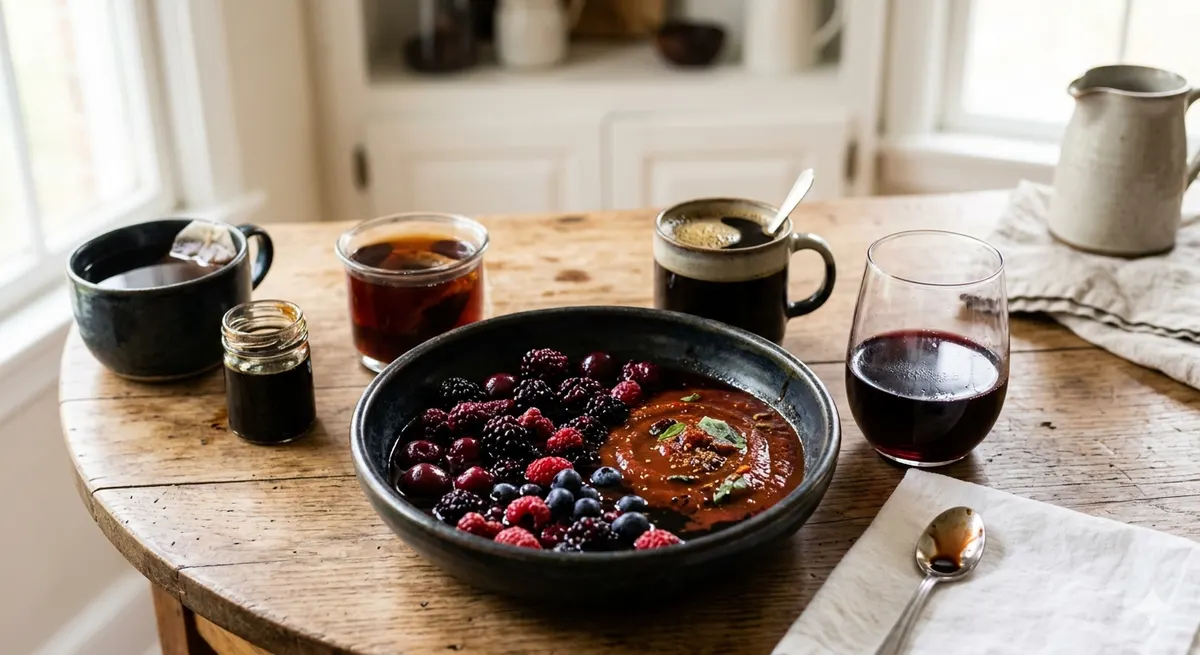
What Should You Eat After Teeth Whitening?
After in-office whitening, avoiding coloured food and drinks is generally advised for one week; in combined treatment, where in-office and at-home whitening are used together, it is advised for the whole whitening period (usually about two and a half weeks). The easiest rule to remember is this: a food or drink that would leave a stain if spilled on clothing can also stain the teeth during this period. Colourless or light-coloured foods such as water, milk and yoghurt can be enjoyed without concern.
In-Office and At-Home Whitening
Teeth whitening is carried out with two methods. In in-office whitening the gel is applied by the dentist at the clinic, with the gums and soft tissues protected. In at-home whitening the gel chosen by the dentist is placed in a tray made from an impression of the person's mouth, and the tray is worn at home for the time and frequency the dentist specifies.
Because the gel used in at-home whitening has a lower concentration than in-office gel, the trays generally need to stay on the teeth for 3–4 hours a day. This time is completed in one uninterrupted stretch during the day, and nothing is eaten or drunk while the trays are in.
At-home whitening is known to help the achieved colour last longer and is an important part of combined treatment. For this reason our clinic generally recommends combined treatment, in which the two methods are used together. Each tooth has a different potential to whiten, and since the appropriate gel concentration can vary with tooth structure, both in-office and at-home whitening are carried out under the dentist's guidance.
Why Do the First Days Matter?
Whitening gel causes the enamel to lose water temporarily during treatment. Over the following days the enamel takes up water and minerals again from saliva; during this time it is thought to pick up external staining substances more easily. The period most prone to staining is the first 24–48 hours after treatment. In combined treatment, however, at-home whitening continues throughout the process, so the period that needs care also lasts until whitening is complete. Sensitivity after whitening is most often seen in the first days.
Foods Best Avoided
- Dark drinks: Red wine, şalgam (fermented black carrot juice), pomegranate juice, carrot juice, coffee, black and green tea, cola and coloured fizzy drinks
- Colouring vegetables and fruit: Red cabbage, beetroot, sour cherries, blackberries, blueberries
- Sauces and spices: Ketchup, tomato sauce, tomato paste, soy sauce, turmeric, curry
- Others: Chocolate, black olives and all foods containing colourings
- Drinks with vinegar or lemon: Although not dark, they are not advised in this period because of their acidity
- Tobacco: Cigarettes and other tobacco products speed up staining and harm gum health (see the section below)
Foods You Can Have Without Concern
- Drinks: Clear, colourless drinks such as water and mineral water; milk, ayran and yoghurt drinks
- Foods: Yoghurt, white cheese, green olives (instead of black olives), white rice, pasta without coloured sauces, chicken, fish, potatoes
- Fruit: Watermelon, bananas
- Sweets: White chocolate
- Using a straw: When a coloured drink is consumed, drinking it through a straw reduces its contact with the teeth
- If you have sensitivity: Avoiding very hot and very cold food and drinks for a while helps comfort
Watch Out for Acidic Foods
Lemon, drinks with lemon, orange juice, vinegar, pickles and fizzy drinks are not dark, but their acids can temporarily soften the enamel surface; consumed often, they can contribute to wear and make later staining easier. After having something acidic, it is advised to rinse your mouth with water instead of brushing straight away, and to wait about 30 minutes before brushing.
For People Who Smoke
The tar in cigarettes has a staining effect on the teeth and speeds up discolouration during whitening. Smoking should therefore be paused throughout the whitening period. People who continue to smoke are advised to smoke with a filter (a cigarette holder filter) throughout the process; the filter helps limit staining by reducing the amount of tar that reaches the teeth. Since smoking also harms gum health, quitting benefits oral health as a whole.
Toothpaste During Whitening
So that the whitening effect is not interrupted, our clinic advises pausing fluoride toothpastes throughout the whitening period. Your dentist will tell you which toothpaste to use during this time. Once whitening is complete, you return to fluoride toothpaste for daily care; fluoride is important in protecting against decay.
Keeping the Colour in the Long Term
Once the whitening process is complete, there is no need to give up staining foods entirely. The following habits can help the colour return more slowly:
- Drinking coffee and tea a limited number of times and over a short period, rather than sipping throughout the day
- Drinking a glass of water or rinsing after a coloured drink
- Drinking coloured drinks through a straw
- Brushing twice a day with fluoride toothpaste and cleaning between the teeth
- Scaling and check-ups at the intervals your dentist recommends
The effect of whitening on tooth tissue and possible side effects are explained in the article does teeth whitening damage your teeth, and the methods on the teeth whitening page.
Who Can Have Teeth Whitening?
Teeth whitening requires growth and development to be complete. For this reason 18 is taken as the starting age for whitening. Whitening is not advised for people with vertical cracks in their teeth or widespread gum problems. Suitability and the colour change that can be expected are assessed at a clinical examination.
When Should You See a Dentist?
- Sensitivity lasting more than a few days or steadily increasing
- Toothache that starts on its own without a trigger or wakes you at night
- Whitening, burning or a sore on the gums that does not heal within a few days
- A home whitening tray digging into the gums or not fitting
- Noticing patchy, uneven colour changes on the teeth
This article is for general information and does not replace an examination by a dentist. Your dentist may give separate diet and care advice after whitening depending on the method used.
Frequently Asked Questions
What can I eat after teeth whitening?
During the whitening period, light-coloured foods that do not stain are preferred: clear drinks such as water and mineral water, milk, ayran and yoghurt drinks, white cheese, green olives, rice, pasta without coloured sauces, chicken, fish and potatoes are suitable. Watermelon, bananas and white chocolate can also be eaten. Since temporary sensitivity may occur after the procedure, avoiding very hot and very cold foods for a while helps comfort.
What should be avoided after whitening?
The basic rule is any food or drink that would leave a stain if spilled on clothing. Red wine, şalgam, pomegranate juice, carrot juice, coffee, tea and cola; red cabbage and beetroot; ketchup, tomato sauce, turmeric and curry; chocolate, black olives and all foods containing colourings are not advised during this period. Drinks with vinegar or lemon should be avoided because of their acidity. Since smoking speeds up staining, it should be paused throughout the process; people who continue to smoke are advised to use a filter.
How many days do the restrictions last after whitening?
After in-office whitening, avoiding coloured foods is generally advised for one week. In combined treatment, where in-office and at-home whitening are used together, the process usually lasts about two and a half weeks and the same rules apply throughout. The exact period is stated by your dentist according to the method used; restrictions can be relaxed once the process is complete.
Can I drink coffee after whitening?
Avoiding coffee during the whitening period is advised. If that is not possible, drinking through a straw reduces contact with the teeth, and rinsing the mouth with water afterwards helps. Light-coloured coffee with milk stains less than plain black coffee. Brushing is best done not immediately but once the effect of the acid has passed, which helps protect the enamel.
Can I use fluoride toothpaste during whitening?
So that the whitening effect is not interrupted, our clinic advises pausing fluoride toothpastes throughout the whitening period; your dentist will tell you which toothpaste to use during this time. Once the process is complete, you return to fluoride toothpaste for daily care, because fluoride is important in protecting against decay.
At what age can teeth whitening be done?
Whitening requires growth and development to be complete; 18 is taken as the starting age. Besides age, the condition of the teeth also matters: whitening is not advised for people with vertical cracks in their teeth or widespread gum problems. Suitability is assessed at a clinical examination.
How many hours a day is the at-home whitening tray worn?
Because the gel used in at-home whitening has a low concentration, the trays generally need to stay on the teeth for 3–4 hours a day. This time is completed in one uninterrupted stretch during the day, and nothing is eaten or drunk while the trays are in. The duration and frequency of use are set by your dentist.
Can I smoke during the whitening process?
The tar in cigarettes has a staining effect on the teeth and speeds up discolouration during whitening, so smoking should be paused throughout the process. People who continue to smoke are advised to smoke with a filter, as the filter reduces the amount of tar that reaches the teeth. Smoking also harms gum health.