Clinical Factors That Shape an Implant Treatment Plan
Which clinical factors — bone density, gum health, general medical condition — shape the planning of implant treatment?
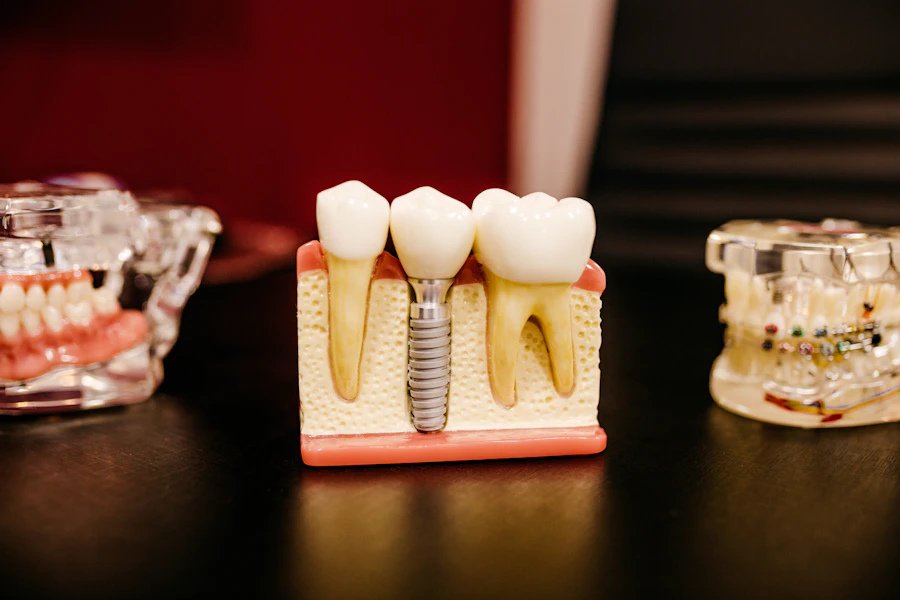
In Short: What Determines an Implant Treatment Plan?
An implant treatment plan is tailored to the individual according to the volume and density of the jawbone, whether an additional procedure such as a bone graft or sinus lift is needed, gum health, general health and medication, and the type of tooth to be placed on the implant. These factors determine how many implants are needed, how many stages treatment will involve and its total duration. The plan is drawn up by assessing the clinical examination, X-rays or three-dimensional imaging and medical history together.
Why Is Implant Planning Individual?
Dental implant treatment is not a standard procedure. Even for two people with the same number of missing teeth, the treatment plan, its duration and the surgical approach may differ. The main clinical factors behind this are explained below.
1. Volume and Density of the Jawbone
Sufficient bone volume and suitable bone quality are required for an implant to remain stable within the bone. As time passes after tooth loss, resorption of the bone tissue in the area may occur. This is assessed through radiological imaging.
2. The Need for Additional Surgical Steps
Where bone volume is insufficient, additional procedures such as bone grafting or sinus floor elevation may come into question. Whether these are required directly affects the treatment duration and the number of sessions.
3. Health of the Gums and Surrounding Tissue
Healthy soft tissue around the implant is decisive for long-term success. Resolving any existing gum inflammation and establishing oral hygiene before treatment is part of the plan.
4. General Medical Condition and Medication
Uncontrolled diabetes, medications affecting bone metabolism, bleeding disorders and tobacco use are among the factors that may affect healing. A detailed medical history is therefore taken before treatment, and consultation with the relevant physician is sought where necessary.
5. Type of Restoration on the Implant
Options such as a single-tooth restoration, a bridge or a full-arch prosthesis require different numbers of implants and different laboratory stages, which changes the total treatment duration.
How Is the Assessment Made?
A clinical examination, radiological imaging and medical history are evaluated together to create an individual treatment plan. Information is given about the content, duration and alternatives of the plan, and treatment begins with the patient's consent.
How to Prepare for the Examination
- A list of all the medicines you take; especially blood thinners, medicines used to treat osteoporosis (bisphosphonates and similar) and corticosteroids
- General conditions such as diabetes, heart disease or bleeding disorders, and recent test results if available
- Any history of radiotherapy to the head and neck or chemotherapy
- Any panoramic X-rays or CT scans taken previously
- Smoking; stopping before and after the procedure supports healing
Questions You Can Ask at the Examination
- How many implants are needed, and why?
- Will an additional procedure such as a bone graft or sinus lift be needed?
- Can a temporary tooth be used during healing?
- How many stages does treatment involve, and roughly how long will it take in total?
- What are the alternatives, such as a bridge or removable denture, and how do they differ?
- What care and check-ups are needed to maintain the implant in the long term?
When Might Treatment Be Postponed?
If there is an untreated active infection or gum disease in the mouth, a condition that affects healing such as uncontrolled diabetes, or pregnancy, implant surgery is usually postponed until these are resolved. These decisions are made to protect the patient's health and, where needed, together with the relevant doctor. Information on the period after the procedure is in the articles on eating after a dental implant and whether implants are painful.
This article is for general information purposes and does not replace a clinical examination. A treatment plan can only be determined by your dentist after clinical and radiological evaluation.
Frequently Asked Questions
What is assessed when planning an implant?
Planning begins with examination of gum health, the condition of the remaining teeth and the bite relationship. Radiological evaluation measures the height and width of the jaw bone, bone density, the position of the sinus cavity in the upper jaw and the course of the nerve canal in the lower jaw. General health, medication and smoking also bear directly on the plan.
Why is three-dimensional imaging requested?
A two-dimensional radiograph shows the height of the bone but not its width. The thickness of the bone at the implant site and its distance from the nerve canal and the sinus floor can only be measured safely on a cross-sectional image. This measurement determines the length, diameter and angle of the implant. It is not required in every case; the clinical findings decide.
How long after extraction is an implant placed?
Timing does not follow a single rule. In some situations the implant can be placed at the same visit as the extraction; the condition for this is that there is no infection at the site and the bone walls are intact. Where there is infection or a bone wall has been lost, healing is awaited. The waiting period varies with the site and the rate of bone healing; the decision is made with radiological follow-up.
What is done if there is not enough bone?
Insufficient bone volume is not in itself a barrier. Depending on the extent of the deficiency, small grafts placed at the same visit as the implant, bone augmentation carried out at a separate visit, or raising the sinus floor in the posterior upper jaw may be considered. These procedures extend the treatment time. Applicability is determined after cross-sectional imaging.