Composite or Porcelain Veneers? What Guides the Decision
Composite bonding and porcelain veneers answer the same wish in different ways. We explain how they differ in tooth structure, number of visits, colour and gloss, repair and clenching.
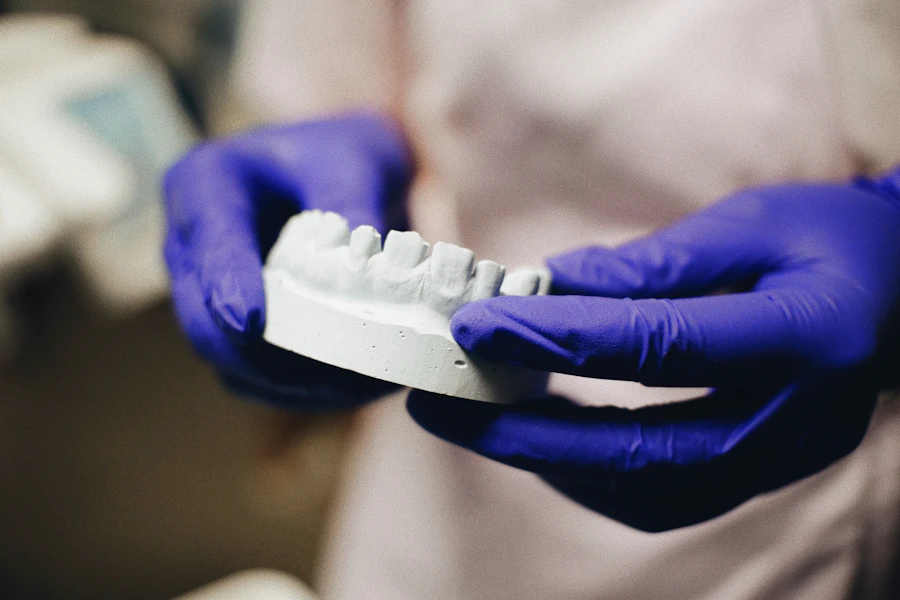
The Same Wish, Two Different Methods
Someone who wants to change the shape or length of their front teeth, or the gaps between them, usually meets two options: composite veneers (composite bonding) and porcelain veneers. Both work on the front surface of the tooth and aim for a similar appearance, but they differ in how they are made, how they treat the tooth and how they behave over the long term.
Composite veneers are tooth-coloured composite shaped in layers directly on the tooth. Porcelain veneers are thin ceramic shells made in a laboratory and bonded to the tooth. Below we go through the main points that guide the decision.
1. How Much Tooth Structure Is Removed?
Composite works by adding. When closing gaps, enlarging a small tooth or lengthening a shortened edge, composite is usually bonded directly to sound enamel without drilling. With porcelain veneers, a limited thickness is usually removed from the front surface so that the shell can seat and look natural in thickness. In some cases porcelain can also be placed with minimal preparation, but this depends on the position of the teeth and the change desired.
This difference matters in practice: enamel that is not removed keeps other treatment options open in the future.
2. How Many Visits Does It Take?
Because there is no laboratory stage, composite veneers are usually completed in a single visit. Porcelain veneers involve impressions, laboratory fabrication, a try-in and bonding; the process spans several visits and a temporary solution may be needed in between.
3. How Do Colour and Gloss Change Over Time?
The ceramic surface is glassy and dense and keeps its gloss and colour for a long time. The composite surface can lose its gloss over time and pick up stain from tea, coffee, red wine and smoking. This change can usually be largely removed by polishing at check-ups; even so, composite needs more regular maintenance than porcelain.
4. What Happens If It Chips?
An important advantage of composite is that it can be repaired in the mouth. A small chip at the edge is built up with the same material without replacing the whole restoration. With porcelain, repairing small chips in the mouth is limited; a noticeable fracture often means the shell has to be replaced.
5. The Size of the Desired Change
Closing gaps, enlarging small teeth, restoring chipped edges and limited shape corrections are where composite is strong. Where a fundamental colour change across many teeth, masking of marked dark discolouration or an extensive change of shape is needed, porcelain veneers may come to the fore. With marked crowding, neither method changes the problem itself, only its appearance; orthodontic assessment is needed first.
6. Clenching and the Bite
Clenching and grinding are a risk for both restorations. In composite this force shows mainly as edge chips and wear; in porcelain there is a risk of sudden fracture or debonding. In both cases the bite is assessed and a night guard is planned if needed. We cover this in more detail in the article on signs of teeth clenching.
How Is the Decision Made?
There is no single right answer; the right one is the option that suits the person's teeth and expectations. At the examination the health of the teeth and gums, the bite, the desired change and the person's care habits are assessed together. For some people composite remains the preferred solution for a long time; for others it is an intermediate step that lets them see the result before moving to porcelain.
You can find both methods in detail on the composite bonding and laminate veneers pages. For gap closure and enlarging small teeth, see also closing gaps between teeth and enlarging small teeth.
This article is for general information purposes only and does not replace a clinical examination. The method that suits you, the scope of treatment and its alternatives can only be determined by your dentist following a clinical examination.